What Is a Pallet Jack? Types, Uses, and Buyers Guide 2026
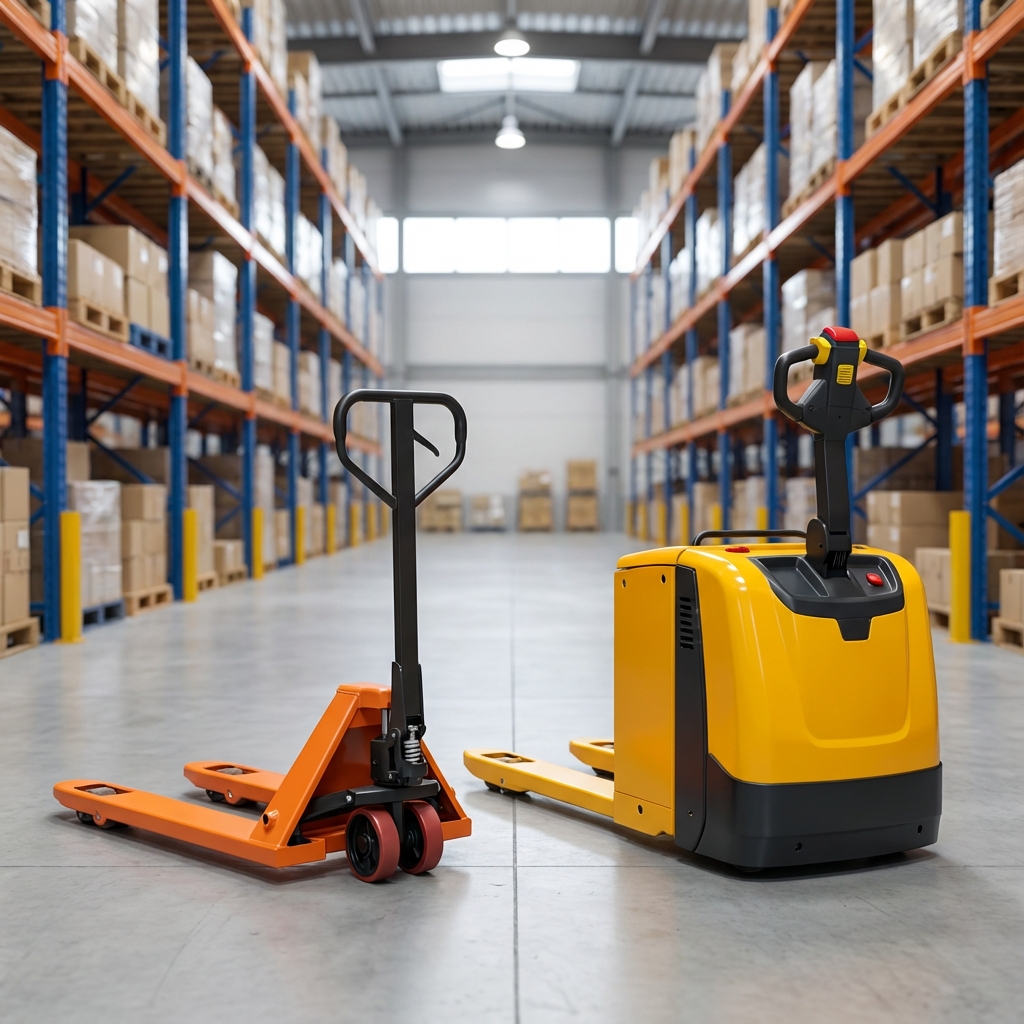
If you manage inventory movement, you may ask what is a pallet jack and which type to buy. A pallet jack is a compact tool that lifts and moves palletized goods. This guide explains what is a pallet jack, how it works, and how to select the right model in 2026.
1. How a pallet jack works
A manual pallet jack uses a hydraulic pump to raise the forks. You pull the handle, pump to lift, and pull the load. Electric models use a motor for lifting and travel. When you ask what is a pallet jack, think of it as the simplest way to move pallets without a forklift.
2. Main pallet jack types
- Manual pallet jack: Best for light loads and short distances.
- Electric pallet jack: Best for frequent moves or heavier loads.
- High lift pallet jack: Raises loads to a working height.
- Scissor lift pallet jack: Combines lifting and moving for ergonomic tasks.
If you are comparing options, define your use case before deciding pallet jack basics you need.
3. Load capacity and sizing
Manual pallet jacks often handle 4500 to 5500 lb. Electric units can handle more. Fork width should match your pallet size, and fork length should support the load. If you want to know pallet jack basics that fits your operation, check your pallet dimensions first.
4. Brands, price, and service
Prices vary widely. Manual units are low cost, while electric models cost more. Service availability, parts supply, and warranty coverage often matter more than the purchase price.
5. Buy vs rent
If you use a pallet jack occasionally, renting can be cost effective. If you move pallets daily, buying is usually better. Ask pallet jack basics worth based on total usage, maintenance, and downtime risk.
6. Maintenance and safety
Inspect wheels and hydraulic seals regularly. Keep forks clean and avoid overloading. OSHA recommends safe handling and regular inspections; see OSHA.
Key specs to compare
When shopping, compare load capacity, fork length, fork width, and minimum fork height. Consider the floor conditions in your facility and whether you need polyurethane or nylon wheels. In food or clean settings, look for easy to clean components and sealed bearings. A simple spec checklist helps you narrow options before you compare brands.
Ergonomics and operator comfort
Operator fatigue can reduce productivity. Features like ergonomic handles, smooth lowering controls, and low rolling resistance wheels can make a big difference. For electric models, look for easy access controls and stable acceleration. A small comfort improvement can reduce strain during long shifts.
Fleet standardization
If you operate more than a few units, standardizing on one or two models simplifies training and parts inventory. It also helps maintenance teams keep repair kits on hand. Standardization can reduce downtime when equipment is damaged.
Total cost of ownership
The purchase price is only part of the cost. Include maintenance labor, parts replacement, and potential downtime. A more durable model can be less expensive over time. Track failure rates and service intervals to estimate long term cost.
Inspection checklist
Use a short checklist at the start of each shift:
- Wheels rotate freely
- Forks are straight and not cracked
- Hydraulic lift raises and lowers smoothly
- Handle returns to center and is not loose
- Load rating label is visible
A daily inspection prevents accidents and extends equipment life.
Use cases by facility type
Small warehouses often use manual jacks for short moves between storage and packing. Large distribution centers may rely on electric jacks for long distance travel and high throughput. Cold storage sites need wheels and seals rated for low temperatures. Matching the tool to the facility type reduces breakdowns and improves safety.
Accessories and add ons
Common add ons include scale attachments, fork extensions, and specialized wheels for different floor types. Scales help verify weight during receiving, while fork extensions support oversized pallets. If your operation handles mixed loads, these accessories can reduce manual checks and rework.
Service plan and parts stocking
Downtime can be expensive, so plan for maintenance. Keep spare wheels, seals, and handle parts in stock. Choose a vendor with clear service response times. A simple service agreement can reduce downtime and improve equipment availability.
End of life disposal
When a unit can no longer be repaired, dispose of it properly. Some parts can be recycled, and batteries from electric units require safe handling. Build end of life steps into your equipment policy so the process is consistent.
Buyer checklist
Before purchasing, confirm the following:
- Fork size fits your standard pallets
- Load capacity covers the heaviest items you handle
- Wheel material matches your floor conditions
- Service support is available in your area
- Training materials are provided for operators
A short checklist helps you compare models quickly and avoid purchase mistakes.
Specification glossary
Understanding common terms makes comparison easier. "Fork height" is the minimum and maximum lift range. "Turning radius" affects maneuverability in narrow aisles. "Wheel material" influences rolling resistance and floor wear. Use these terms to evaluate product sheets quickly.
ROI for manual vs electric
Manual units cost less but may slow down high volume operations. Electric models reduce fatigue and improve throughput. Estimate how many pallet moves occur per shift and calculate labor savings when comparing options. A small productivity gain can justify a higher upfront cost.
Noise and environment
Some facilities require low noise equipment. Electric models can be quieter than larger forklifts, but they still produce operating sound. If you operate in retail or customer facing areas, noise considerations may influence your choice.
Warranty evaluation
Review warranty length and coverage details. Some warranties cover only parts, while others include labor. Ask about response time and regional service availability. A longer warranty can reduce risk during the first year of heavy use.
Procurement process
Create a short procurement checklist, request multiple quotes, and verify delivery timelines. Confirm that the vendor can provide training or operating manuals for new staff. This prevents delays after the equipment arrives.
Facility audit questions
Before buying, walk the facility and answer a few questions: How narrow are the aisles? What is the longest travel distance? How often do you move heavy loads? Do you have rough floors or ramps? These answers help you match the equipment to real conditions.
Implementation and rollout
When new equipment arrives, schedule a short rollout plan. Train supervisors first, then operators. Post quick reference cards near staging areas so the operating steps stay consistent. A structured rollout reduces early damage and improves adoption.
Comparison table for quick selection
| Use case | Recommended type | Notes |
|---|---|---|
| Short distance moves | Manual jack | Lower cost and simple maintenance |
| High volume moves | Electric jack | Reduces fatigue and improves speed |
| Ergonomic tasks | High lift jack | Raises load to working height |
Operator training plan
Plan a short training session when new equipment arrives. Cover startup checks, safe travel speed, and parking rules. Provide a quick reference card so operators can review the steps during the first week.
Spare parts list
Keep a small parts kit with wheels, seals, handle pins, and hydraulic fluid. Having a basic kit on site reduces downtime and keeps equipment in service during busy periods.
Power and battery considerations
Electric units vary by battery type and charging time. Evaluate whether your facility supports opportunity charging during breaks or needs full shift batteries. Match the battery plan to your shift schedule to avoid downtime.
Floor condition assessment
Rough or uneven floors increase wear on wheels and forks. If floors are damaged, choose wheels designed for rough surfaces and schedule more frequent inspections. A simple floor audit can prevent early equipment failures.
Documentation and compliance
Maintain manuals, inspection logs, and training records. Documentation helps with audits and reinforces safe operation. A simple logbook can prevent missed maintenance.
Procurement timeline
Plan the purchase timeline so delivery aligns with training and rollout. A typical timeline includes vendor selection, quote review, order placement, delivery scheduling, and operator training. Coordinating these steps prevents idle equipment and reduces confusion.
Internal policy updates
When you introduce new equipment, update internal policies. Define parking zones, daily inspection steps, and reporting expectations. Policy updates keep behavior consistent across teams and shifts.
Safety audit tie in
Link pallet jack usage to your safety audit checklist. Include items like clear aisles, proper parking, and active training records. A simple audit program helps maintain safe practices after the initial rollout.
Change management
Introduce new equipment with clear communication. Explain why the new model was chosen and how it improves safety or productivity. When operators understand the reasons, adoption is faster and resistance is lower.
Site trials
If possible, run a short trial with one unit before a full purchase. Use the trial to confirm maneuverability, battery life, and compatibility with racks. A short trial can prevent expensive mismatches.
Storage and charging layout
If you use electric units, plan charging stations that do not block traffic. Provide clear signage and floor markings. For manual units, create parking spots with hooks or bumpers to prevent damage. A good layout keeps equipment organized and reduces trips.
Seasonal workload planning
Some warehouses spike during holidays or promotions. Plan extra equipment during peak periods to avoid bottlenecks. Temporary rental units can cover short surges without long term commitments.
Vendor evaluation checklist
When comparing vendors, ask about warranty coverage, parts availability, and service response times. Confirm delivery lead times and whether training materials are included. A vendor that supports your team after purchase is often more valuable than a slightly lower price.
Ownership checklist for managers
Create a single page checklist that covers purchase date, warranty status, inspection frequency, and assigned department. When each unit has a clear owner, maintenance is more consistent and failures drop.
Lifecycle planning
Plan for the full lifecycle of each unit. Track purchase date, repair history, and average downtime. Use this data to decide when to replace older units before failures cause operational delays. A simple lifecycle plan helps budget for replacements and avoids emergency purchases during peak seasons.
Usage policies
Define who can operate equipment and when. Require new operators to pass a short check before solo operation. These small policy steps reduce accidents and keep equipment in good condition for longer.
Quick audit tip
Walk the floor and observe three typical moves from start to finish. If operators struggle with turns or ramps, adjust equipment choice or layout before buying more units.
Simple tracking
A basic spreadsheet tracking repairs and downtime can highlight weak spots in the fleet and guide replacement timing.
Short reminder
Consistency in inspection routines keeps equipment safe and reliable.
Note
Small process habits keep equipment reliable and reduce hidden costs.
Quick note
Consistency matters more than fancy features in daily use.
Frequently Asked Questions
Q1: pallet jack basics used for?
A pallet jack lifts and moves palletized goods over short distances.
Q2: pallet jack basics capacity I should choose?
Choose a capacity above your heaviest load to allow a safety margin.
Q3: pallet jack basics difference between manual and electric?
Manual jacks use human power; electric jacks use motors for lift and travel.
Q4: pallet jack basics best for in small warehouses?
Manual jacks are usually enough for small operations with short travel distances.
Conclusion
Now you know pallet jack basics and how to select the right type. Start with load capacity and usage frequency, then choose manual or electric. For products, see Pallet Jacks and How to Use a Pallet Jack.
---
Related Articles:
Shop Our Products: