Hydraulic Lift Table Buying Guide 2026
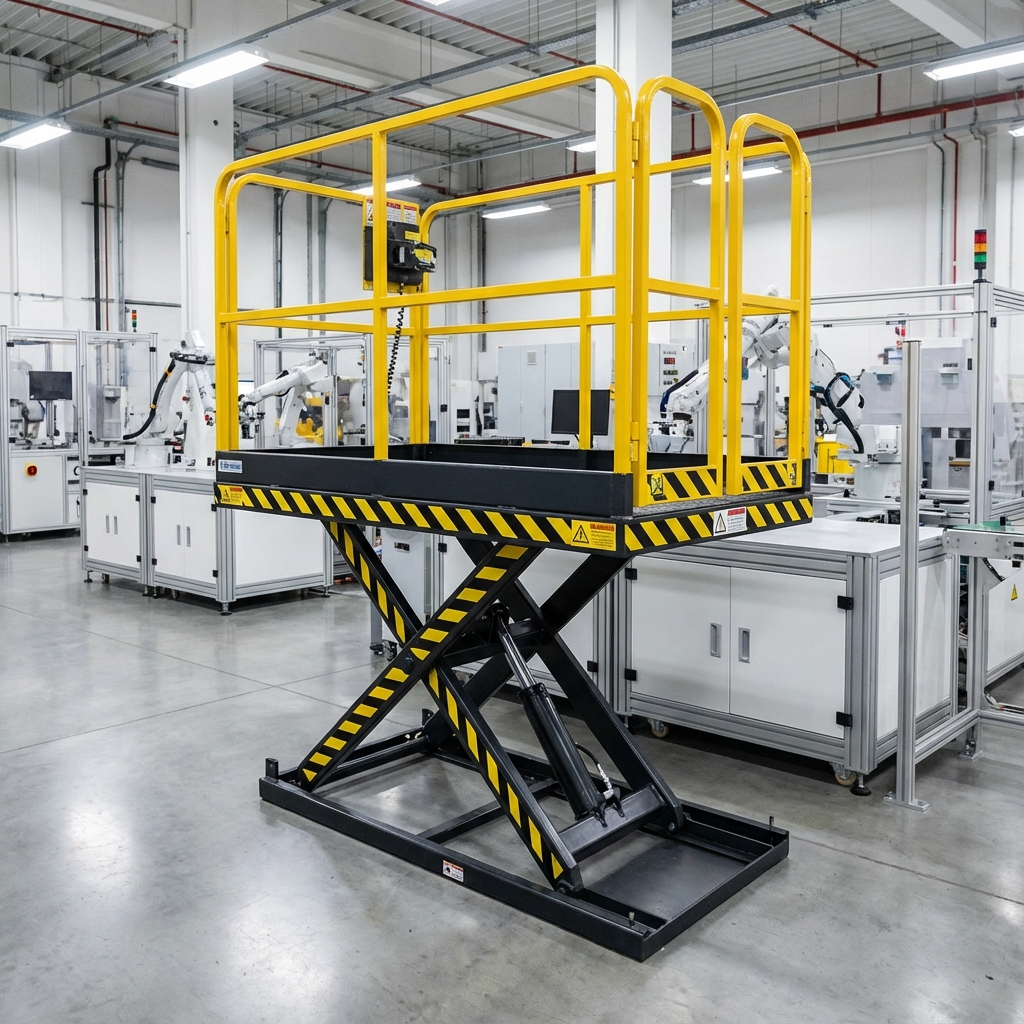
A hydraulic lift table solves a simple warehouse problem: loads are rarely at the right working height. When cartons, totes, dies, or pallets stay too low, teams bend more, lose cycle time, and damage product. A lift table brings the load to the operator instead of forcing the operator to work at floor level.
For most buyers, the right choice comes down to four variables: capacity, platform size, lift range, and power source. If those four line up with your process, a hydraulic lift table can cut operator fatigue, speed up loading, and reduce awkward handling in packing, assembly, and receiving zones.
What is a hydraulic lift table?
A hydraulic lift table is a platform that raises and lowers by pressurizing hydraulic cylinders. The most common design is a scissor lift table, where crossed steel arms open upward as the cylinder extends. That design keeps the load centered while the platform rises.
Compared with a fixed workbench, a lift table gives you:
- Adjustable working height for different operators and product sizes
- Safer loading and unloading when cases or bins are heavy
- Better line balance because the work surface stays closer to waist height
- More process flexibility for receiving, assembly, inspection, and packaging
If your team also uses personnel lifts, read What Is a Scissor Lift so you do not mix up a warehouse lift table with an aerial work platform.
Types of hydraulic lift tables
Scissor lift tables
Scissor lift tables are the baseline option for most indoor applications. They are common in lift tables, especially for packaging lines, work cells, pallet build stations, and machine tending.
Single scissor vs double or triple scissor
Single scissor models are easier to fit into standard stations and usually cost less. Double and triple scissor models create a taller vertical travel range, but they need more guarding and more attention to stability when fully raised.
| Type | Typical travel | Best fit | Tradeoff |
|---|---|---|---|
| Single scissor | 24" to 48" lift | Packing, assembly, docks | Lowest complexity |
| Double scissor | 50" to 70" lift | Higher transfer points | More moving parts |
| Triple scissor | 70" to 120"+ lift | Tall ergonomic reach | Higher cost and stricter guarding |
Electric vs manual hydraulic
Manual hydraulic tables rely on a foot pump or hand control and work well in low-cycle applications. Electric hydraulic tables use a motor-powered hydraulic unit and are better when the station cycles all day or when loads are heavy enough to make manual pumping inefficient.
Portable or mobile lift tables
A mobile table combines a hydraulic platform with casters. It works well when your process moves between cells, receiving lanes, and QA stations. A product such as CART-1000-2040-CTD shows how an electric hydraulic cart can combine elevation with powered travel for longer routes.
Key specifications to compare before buying
Load capacity
The capacity range for a hydraulic lift table is wide. Small workstation units may start around 500 lbs, while industrial hydraulic lift table models go above 10,000 lbs. Buyers should spec to the heaviest routine load, not the average load. We recommend leaving a working margin instead of shopping right at the rating limit.
Platform size
Platform size should match the load footprint and the operator’s reach zone. A platform that is too small creates overhang and instability. A platform that is too large adds cost and consumes floor space. If you handle pallets directly, check pallet footprints against the pallet dimensions guide before selecting deck size.
Lift height range
The useful number is not the maximum raised height alone. Look at:
- Lowered height if you need easy loading from pallet jack level
- Raised service height if the operator needs top-layer access
- Stroke length if the table must serve multiple work positions
Power source
| Power source | Price band | Best for | Common concern |
|---|---|---|---|
| Manual hydraulic | $300 to $1,500 | Low-cycle stations, light loads | Slower cycle time |
| Electric hydraulic | $1,500 to $8,000+ | Repetitive use, heavier loads | Needs power and maintenance planning |
| Pneumatic hydraulic | $2,000 to $7,000+ | Clean areas with plant air | Depends on stable air supply |
| Heavy-duty custom | $5,000 to $25,000+ | Dies, fixtures, oversized loads | Longer lead times |
Industrial applications that justify the investment
Warehouse and distribution
Lift tables reduce bending during order consolidation, repacking, and outbound staging. They are especially useful when operators are building mixed-SKU pallets that change height constantly.
Manufacturing assembly lines
Assembly cells use hydraulic lift tables to keep parts at consistent reach height. That helps reduce wasted motion and supports faster takt time without redesigning every workstation.
Automotive and fabrication shops
Shops often need to move engines, tooling, or fabricated components between benches, fixtures, and inspection areas. A heavier industrial hydraulic lift table is usually the right choice here because side loading and steel component weight are less forgiving.
Loading docks and transfer zones
Dock-edge work benefits from tables that align freight with carts, conveyors, or mezzanine transfer points. When the operation already relies on electric pallet trucks, an electric lift table often makes more sense than a manual pump unit.
Need help choosing? Request a free quote with your load weight, platform target size, and daily cycle count.
Hydraulic lift table price ranges in 2026
Budget questions usually come first, but price only makes sense after you lock the duty cycle. A manual unit that costs less upfront can become the expensive choice if it slows down a packing line or burns operator time every shift.
| Segment | Typical 2026 range | What usually drives price |
|---|---|---|
| Manual mobile tables | $300 to $1,500 | Capacity, wheel package, stainless options |
| Electric scissor lift tables | $1,500 to $8,000+ | Motor, platform size, travel, controls |
| Heavy-duty and custom units | $5,000 to $25,000+ | Capacity, guarding, custom top, pit mount |
Other costs to budget:
- Electrical service or charger setup for powered units
- Guarding and toe protection if the station is open to traffic
- Spare hydraulic seals, casters, or pendant controls
- Preventive maintenance and operator training
Where to buy a hydraulic lift table
The market includes low-cost import units, specialty ergonomic brands, and industrial warehouse suppliers. We recommend buying from a supplier that can answer five operational questions clearly:
- What is the rated capacity at full rise?
- What is the lowered height and service height range?
- Does the platform need pit mounting, guarding, or toe protection?
- Can the unit support continuous-cycle use?
- Are replacement cylinders, power units, and controls available in North America?
PalletCorner buyers often compare a standard lift tables category page first, then narrow into scissor lift tables or electric lift tables once the duty cycle is clear.
Common mistakes first-time buyers make
- Choosing by max height without checking lowered height
- Matching the rating to average load instead of peak load
- Ignoring how often the platform cycles in one shift
- Forgetting floor space for approach, turning, and guarding
- Treating a hydraulic lift table like a personnel lift or forklift
Final selection checklist
Before you approve a purchase, confirm the platform will support your heaviest normal load, fit your available floor space, and match the operator’s target working height. Then compare whether the station really needs manual, electric, or mobile travel.
If you want a fast way to narrow the field, send PalletCorner your target platform size, lift range, and load profile. We can point you to a stock model or a custom build and tell you where a product like CART-1000-2040-CTD fits versus a fixed-position scissor unit.
FAQ
What is the difference between a hydraulic lift table and a scissor lift table?
Most warehouse buyers use the terms interchangeably because the common hydraulic lift table uses a scissor mechanism. The difference matters only when you compare special platforms, carts, or aerial personnel lifts.
How much weight can an industrial hydraulic lift table hold?
Industrial hydraulic lift table models commonly range from 500 lbs to more than 10,000 lbs. Heavy fabrication and die-handling applications can go higher, but the correct number depends on load distribution and platform size.
Should I buy an electric lift table or a manual hydraulic model?
Choose manual when the table cycles occasionally and loads stay light. Choose an electric lift table when the station runs throughout the day, the load is heavy, or operator fatigue is already a problem.
What does a hydraulic lift table cost in 2026?
Manual units often start around $300 and reach $1,500. Electric hydraulic tables often land between $1,500 and $8,000 or more. Heavy-duty and custom platforms can run from $5,000 to $25,000+ depending on guarding, controls, and capacity.
Where can I buy a hydraulic lift table for warehouse use?
Start with a supplier that publishes capacity, lift range, lowered height, and service support. PalletCorner can help compare stock lift tables, scissor lift tables, and powered hydraulic carts based on your daily workflow.
Need a lift table that fits your load and your floor plan? Contact PalletCorner for a quote, or browse lift tables and electric lift tables to compare the most common starting points.